November 5, 2026
European vehicles are widely recognized for their sophisticated engineering, distinctive designs, and impressive driving performance. From responsive handling to advanced safety technology, these automobiles are designed to deliver a refined driving experience. However, maintaining these qualities requires specialized attention and an understanding of the mechanical systems that make European vehicles unique. Professional European car repair plays an important role in preserving performance, reliability, and long-term vehicle value.
Whether you drive a BMW, Mercedes-Benz, Audi, Volkswagen, or another European brand, routine maintenance and timely repairs are essential for keeping your vehicle operating as intended. These automobiles often feature advanced electronic systems, specialized components, and manufacturer-specific maintenance requirements. Understanding how professional automotive technicians approach European vehicles can help owners make informed decisions about their maintenance needs. This guide explores the importance of precision, specialized diagnostics, preventative maintenance, and professional repair services for European automobiles.
Understanding European Vehicle Engineering
European automobiles are often designed with a strong emphasis on performance, handling, efficiency, and driver comfort. Manufacturers incorporate sophisticated mechanical systems and electronic technologies to achieve these characteristics. While these innovations contribute to an enjoyable driving experience, they can also introduce unique maintenance and repair requirements.
Many European vehicles feature turbocharged engines, advanced transmission systems, electronic suspension components, and integrated vehicle management technologies. These systems must work together to deliver consistent performance under different driving conditions. Even relatively minor mechanical issues can affect how these components interact.
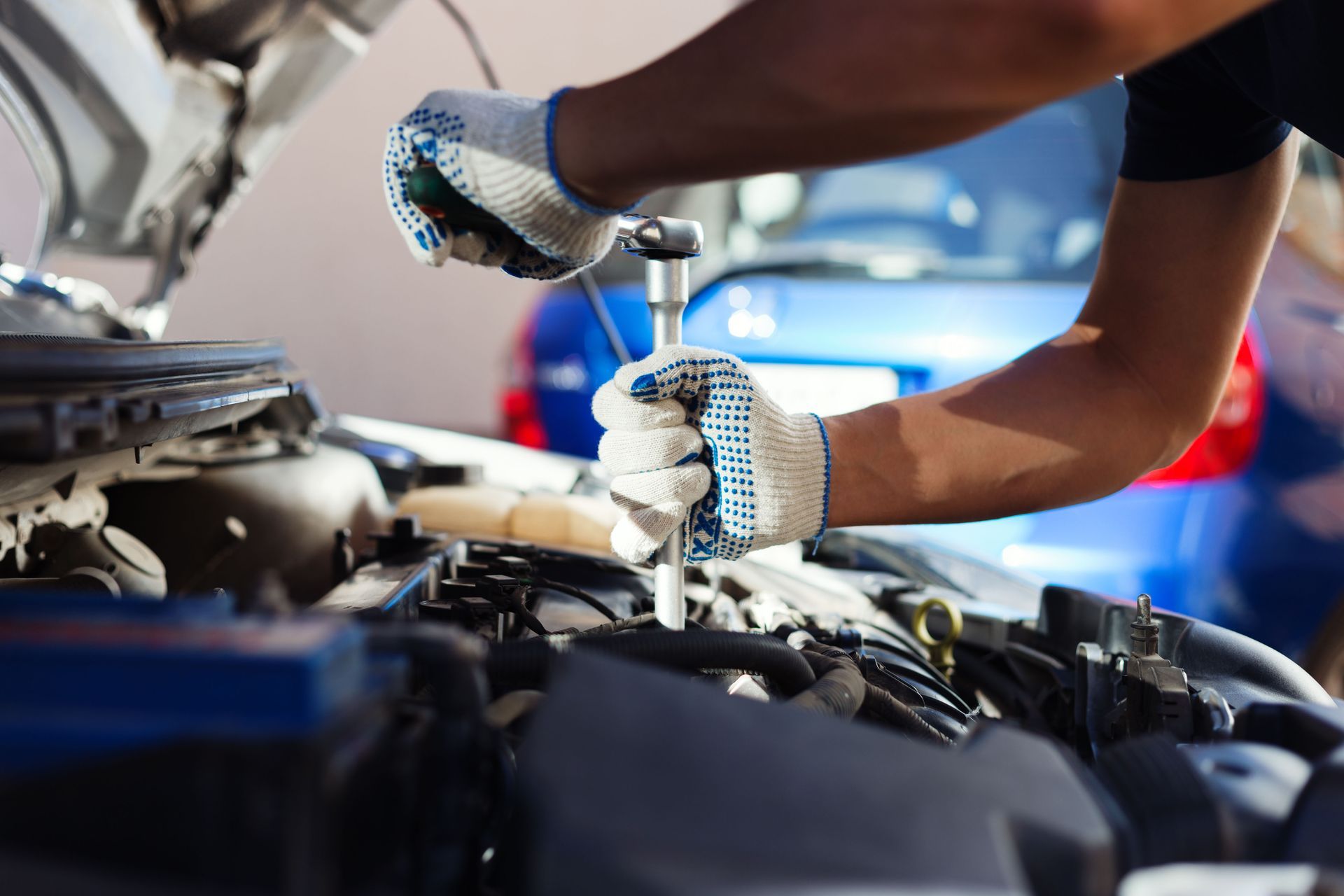
Professional European car repair requires familiarity with these specialized systems and an understanding of how individual components contribute to overall vehicle operation. Technicians must recognize manufacturer-specific engineering differences when diagnosing problems or performing maintenance.
European vehicle manufacturing also has a significant international presence. According to ACEA, European manufacturers export between 50% and 60% of the vehicles they produce in the United States. This demonstrates the global reach of European automotive brands and their involvement in the American automotive industry.
For vehicle owners, understanding the importance of specialized engineering highlights why appropriate maintenance procedures matter. Working with knowledgeable automotive professionals can help preserve the performance characteristics that make these vehicles distinctive.
Recognizing Common European Vehicle Problems
Although European vehicles are designed with advanced technology and quality components, they can experience mechanical problems as they age. Recognizing early warning signs allows owners to address potential concerns before they develop into more expensive repairs.
Oil leaks are one issue that may occur in certain European vehicles, particularly as seals and gaskets deteriorate over time. These leaks can affect engine lubrication and may eventually contribute to mechanical damage if left unaddressed.
Cooling system problems are another concern. Components such as water pumps, thermostats, radiators, and hoses can experience wear, potentially leading to overheating. Because excessive engine temperatures can cause serious damage, unusual temperature readings should receive prompt attention.
Electrical issues can also develop in vehicles equipped with sophisticated electronic systems. Malfunctioning sensors, warning lights, and communication problems between control modules may affect vehicle operation.
Professional European car repair helps identify the underlying causes of these symptoms rather than simply addressing their visible effects. Technicians can evaluate mechanical and electronic components to determine which repairs are necessary.
Drivers should also pay attention to unusual noises, changes in acceleration, vibrations, or reduced fuel efficiency. These symptoms may indicate developing problems that deserve professional inspection.
Exploring Specialized Diagnostic Technology
Modern European vehicles rely heavily on electronic control modules that monitor and manage various automotive systems. These modules collect information from sensors throughout the vehicle and adjust performance based on operating conditions.
When a problem develops, the vehicle may store diagnostic trouble codes or illuminate warning indicators. However, identifying a code is only the beginning of the diagnostic process. A single warning can result from several different mechanical or electrical conditions.
Professional European car repair often involves specialized diagnostic equipment capable of communicating with manufacturer-specific vehicle systems. These tools allow technicians to access detailed information about engine operation, transmission performance, electronic components, and other important functions.
For example, a check engine light may indicate an issue involving fuel delivery, ignition performance, emissions components, or sensor communication. Rather than replacing parts based solely on a warning code, technicians can perform additional testing to identify the actual problem.
Advanced diagnostics can also help evaluate intermittent issues that occur only under certain driving conditions. Reviewing vehicle data and conducting targeted inspections allows technicians to develop more accurate repair recommendations.
This methodical approach can reduce unnecessary component replacements while helping restore the vehicle's intended performance and reliability.
Prioritizing Preventative Vehicle Maintenance
Preventative maintenance is one of the most effective ways to protect a European vehicle from avoidable mechanical problems. Following appropriate service intervals helps maintain essential systems and provides opportunities to identify developing concerns.
Oil changes are particularly important because engine oil lubricates moving components, reduces friction, and helps regulate operating temperatures. European engines may require specific oil formulations that meet manufacturer standards. Using unsuitable products can negatively affect engine performance and longevity.
Fluid maintenance extends beyond engine oil. Transmission fluid, brake fluid, coolant, and other essential fluids must be monitored and serviced according to applicable recommendations. These substances help protect mechanical components and maintain proper system operation.
Professional European car repair also includes inspecting belts, hoses, filters, and other components that experience gradual wear. Replacing deteriorating parts before they fail can help prevent unexpected breakdowns.
Tire maintenance is equally important. Proper inflation, wheel alignment, and tire rotation contribute to predictable handling and even tread wear. Because many European vehicles emphasize responsive steering and balanced performance, tire condition can significantly influence the driving experience.
Consistent maintenance allows owners to address smaller concerns before they become major mechanical problems, potentially reducing long-term repair expenses.
Maintaining Engine and Transmission Performance
Engines and transmissions are among the most important and sophisticated components in European automobiles. Their operation directly influences acceleration, efficiency, responsiveness, and overall driving comfort.
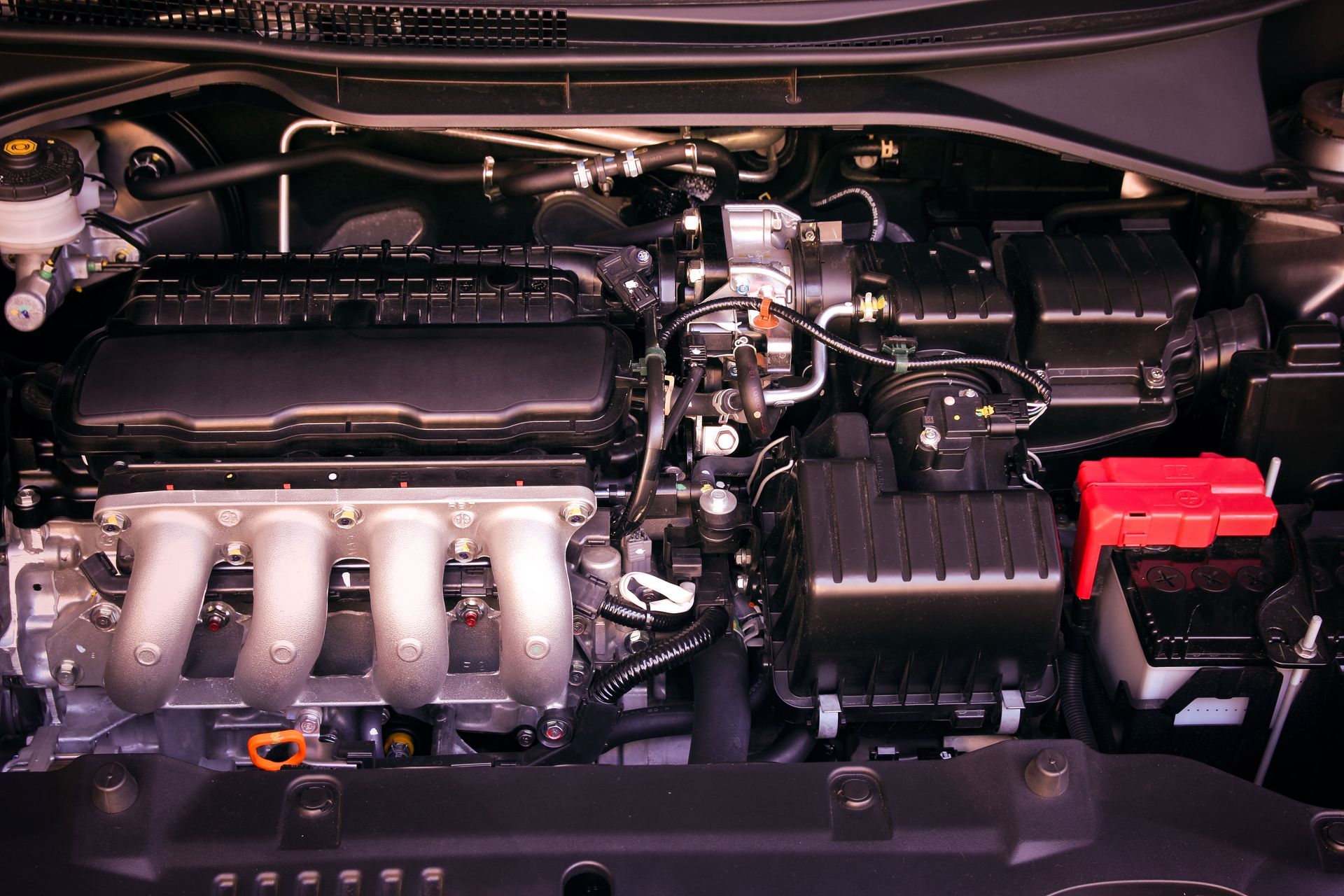
Many European manufacturers use turbocharged engines to deliver substantial power from relatively compact engine designs. These systems depend on proper lubrication, cooling, and airflow to function effectively. Problems involving turbochargers, intake components, or related sensors can affect engine performance.
Fuel injection systems also require careful attention. Modern engines rely on precise fuel delivery to maintain efficient combustion. Worn injectors, faulty sensors, or fuel system contamination may contribute to rough idling, hesitation, or reduced efficiency.
Transmission systems present additional considerations. European vehicles may feature conventional automatic transmissions, dual-clutch systems, or manual gearboxes. Each design has specific maintenance requirements and operating characteristics.
Experienced technicians performing European car repair understand the importance of evaluating these systems according to manufacturer specifications. Accurate inspections and appropriate repair procedures help maintain smooth shifting and consistent engine response.
Preserving Safety and Driving Comfort
European vehicles frequently incorporate advanced safety features and suspension technologies designed to provide stability, comfort, and responsive handling. Maintaining these systems is essential for preserving the overall driving experience.
Brake systems require regular inspection because components such as pads, rotors, calipers, and hydraulic lines experience wear during normal operation. Reduced braking responsiveness, unusual noises, or vibrations may indicate that service is necessary.
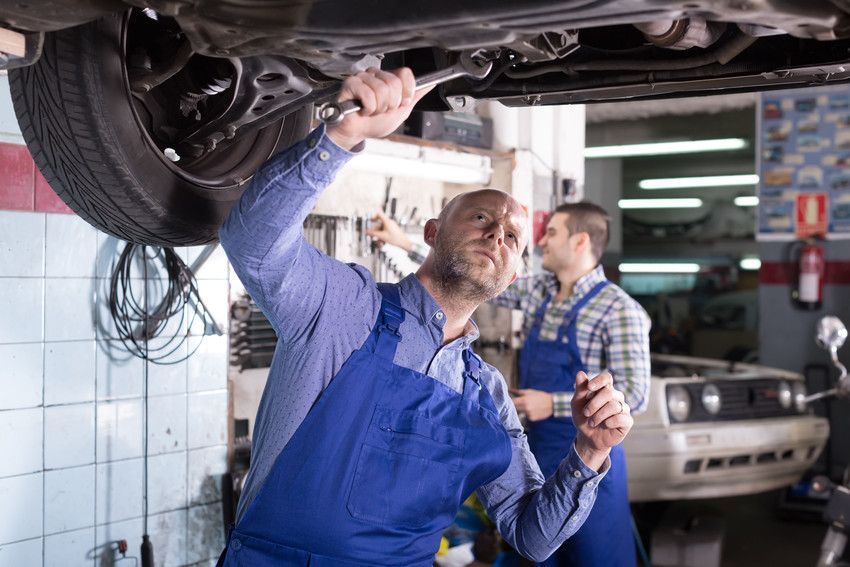
Suspension components also influence ride quality and vehicle control. Worn bushings, shocks, struts, or control arms can contribute to uneven tire wear, excessive movement, and changes in steering response.
Professional European car repair may involve evaluating these components alongside electronic stability systems and other integrated technologies. Because mechanical and electronic systems often interact, comprehensive inspections can help identify related concerns.
European automobiles combine advanced engineering, sophisticated technology, and distinctive performance characteristics that deserve specialized attention. From accurate diagnostics and preventative maintenance to engine repairs and suspension inspections, professional
European car repair helps preserve the qualities that make these vehicles enjoyable to drive.
Understanding your vehicle's maintenance requirements and addressing problems promptly can contribute to long-term reliability and performance. At Midcoast Auto, we're dedicated to providing thorough automotive services that help drivers maintain their vehicles with confidence. Contact our team today to schedule an inspection or discuss your European vehicle's maintenance and repair needs.