April 17, 2026
The world of auto repair and preventive maintenance can seem overwhelming to many drivers. However, understanding the basics is crucial for ensuring the longevity and reliability of your vehicle. This article aims to equip drivers with the essential knowledge needed to maintain their vehicles effectively while minimizing unexpected visits to repair shops. Preventive maintenance is the practice of performing regularly scheduled activities to prevent unforeseen failures. By addressing potential issues before they cause a breakdown, drivers can significantly reduce the likelihood of costly mechanical downtime.
Understanding Your Vehicle's Maintenance Schedule
Your vehicle's manufacturer provides a recommended maintenance schedule, usually found in the owner's manual. This schedule is tailored to the specific needs of your vehicle, taking into account its make, model, and engine type. Following these guidelines helps ensure that your vehicle performs optimally and maintains its value over time. Adhering to these recommendations can prevent common issues and extend the life of your vehicle's components. It empowers you with the knowledge needed to anticipate when auto repair and inspections are due, reducing the risk of being stranded.
Recognizing the Importance of Routine Checks
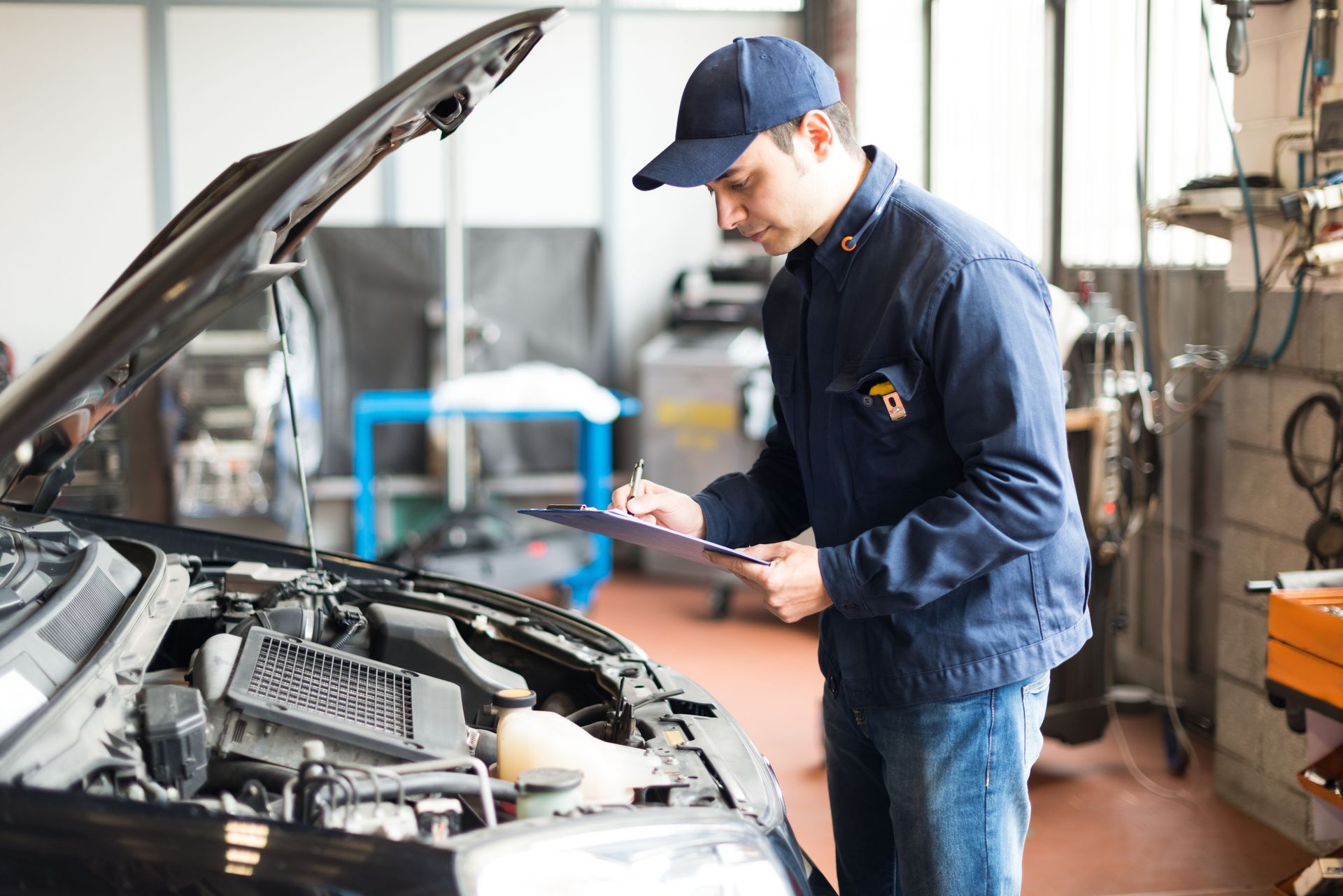
Routine checks are crucial for maintaining your vehicle's safety and performance. These include monitoring oil levels, checking tire pressure, and inspecting your brake systems regularly. According to Bankrate, a routine vehicle check-up is typically necessary every 5,000 miles driven. Taking the time for these checks helps identify potential problems before they escalate into major issues, and regular inspections can alert you to wear and tear that requires attention, allowing for minor adjustments rather than massive overhauls.
Knowing When to Service Your Car
Identifying when your vehicle requires servicing is an important skill for drivers. Common signs include unusual noises, changes in driving behavior, or indicator lights on your dashboard. Paying attention to these signals can prevent further damage. Regular maintenance visits to a professional mechanic can also identify subtle signs of wear that may not be immediately apparent to the average driver. Early detection and proactive servicing are key components of effective vehicle care strategies.
Using Maintenance Logbooks
Maintaining a detailed logbook for your vehicle's service history offers numerous benefits. A logbook allows you to keep track of maintenance intervals, ensuring that necessary auto repair services are not overlooked. It also provides a comprehensive record that can enhance your vehicle's resale value by showcasing its consistent upkeep. Logbooks help you organize past repairs and replacements, offering insights into patterns or recurring issues. This practice aligns with maintenance principles by tracking and anticipating future needs before they arise.
Adapting to Driving Conditions
Different driving environments can significantly impact your vehicle's maintenance schedule. Urban settings in the U.S. may result in more stop-and-go driving, increasing wear on brakes and tires. Similarly, harsh weather conditions or rough terrains can accelerate the need for certain repairs or adjustments. Understanding how your driving habits and environment affect your vehicle allows you to tailor your maintenance practices accordingly.
Understanding Basic Vehicle Components
Vehicles rely on several fluids, including oil, coolant, and brake fluid, to function correctly. Regularly inspecting and maintaining the correct levels of these fluids is essential for vehicle health. Low or contaminated fluids can lead to mechanical failures or decreased performance. By staying proactive and routinely checking fluid levels, drivers avoid future issues. Topping up or replacing fluids as needed helps extend your vehicle's lifespan and ensures the engine remains lubricated and cool.
Checking and Replacing Air Filters
Air filters play a crucial role in protecting your engine from dust and debris. A clogged filter can impact engine performance and fuel efficiency by suffocating the combustion process. Checking your air filter is a simple task; it is usually located in an easily accessible compartment under the hood. Keeping air filters clean ensures your engine operates efficiently. Regular replacement ensures optimal performance, contributing to a much smoother drive and better gas mileage.
Common Auto Repairs
The brake system is critical for safety, and understanding potential issues can prevent accidents. Common problems include worn brake pads, which can lead to reduced stopping power and damaged rotors. Paying attention to changes in braking performance, such as squeaking or grinding sounds, is crucial. Addressing these early signs can prevent more substantial damage. Regular brake inspections ensure your brakes are functioning effectively to keep you safe on the road.
Managing Exhaust System Issues
The exhaust system helps reduce noise and emissions while improving overall vehicle performance. Typical problems include rust, leaks, and clogs, which can decrease efficiency or increase emissions. Symptoms of exhaust issues might include strange noises, decreased fuel efficiency, and unusual smells. Regular inspections can identify potential issues before they escalate. Addressing these promptly helps maintain your vehicle's performance and environmental compliance with U.S. standards.
Dealing With Transmission Repairs
The transmission is responsible for transferring power from the engine to the wheels, and glitches can severely impact vehicle performance. Common issues include slipping gears, fluid leaks, and delayed shifting. Identifying transmission problems early can prevent costly repairs and extend the transmission's lifespan. Regular maintenance checks, including fluid levels and condition, help ensure smooth operation. By anticipating potential failures, you reduce the likelihood of sudden breakdowns.
Navigating Electrical System Challenges
Modern vehicles depend heavily on electronic systems for functionality and safety. Common electrical issues include dead batteries, faulty alternators, and malfunctioning lights. Diagnosing electrical problems can be challenging, but early detection often prevents more significant failures. Regular battery checks and testing can avert breakdowns, while ensuring all lights function improves vehicle safety. As with all aspects of auto repair, the principle of fixing things before they break remains the standard.
Preventive Maintenance Tips
Oil is vital for lubricating engine components and preventing excessive wear. Regular oil changes are a foundational aspect of vehicle maintenance that can significantly prolong engine life. Follow the manufacturer's recommendations regarding oil change intervals and type. Neglecting this routine can lead to sludge build-up, reduced efficiency, and even engine failure. By staying proactive with oil changes, you address potential issues before they arise.
Executing Tire Rotation and Alignment
Tire rotation and alignment play crucial roles in vehicle performance and safety. Regularly rotating tires ensures even wear, extending their lifespan and maintaining fuel efficiency. Proper alignment prevents uneven tire wear and improves handling, reducing the risk of accidents. Routinely performing these services minimizes the chance of more extensive repairs. Keeping tires in excellent condition contributes to overall vehicle stability and safety.
Ensuring Battery Care and Maintenance
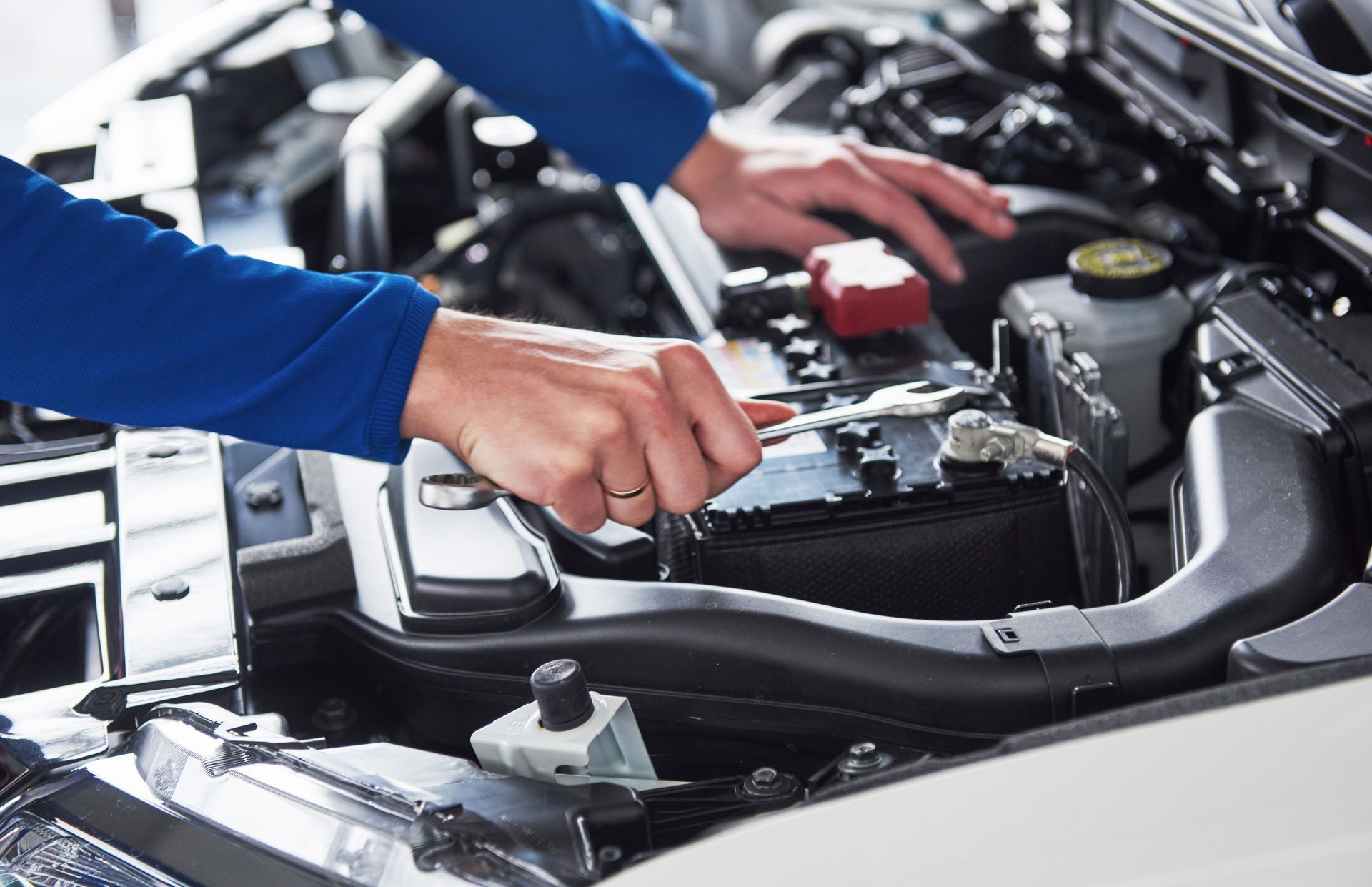
The battery provides the electrical power needed to start your vehicle and supports various electronic components. Regular battery maintenance, including cleaning terminals and checking charge levels, prevents unexpected failures. As batteries age, their ability to hold a charge diminishes, highlighting the importance of timely replacement. Being proactive about battery health reduces the chance of being stranded. Preventive maintenance means addressing battery concerns before they lead to inconvenient circumstances.
Monitoring Cooling System Checks
The cooling system regulates engine temperature, preventing overheating and damage. Regular inspections of components such as radiators, hoses, and coolant levels are essential for avoiding heat-related failures. Early detection of leaks or corrosion can prevent more severe engine damage. Maintaining your cooling system ensures optimal engine performance and longevity. By fixing issues early, you avert costly repairs and engine breakdowns.
Understanding the fundamentals of vehicle upkeep and auto repair services is an essential part of being a responsible driver. By following the guidelines provided in this article, drivers can ensure their vehicles run efficiently and safely, ultimately saving time, money, and stress. Preventive maintenance is the most effective way to protect your investment and maintain vehicle reliability. By tackling potential problems before they escalate, you can enjoy peace of mind on the road and avoid the headache of a sudden breakdown.
If you are looking for a professional team to handle your vehicle's needs with precision and care, look no further. We invite you to visit Midcoast Auto for all your maintenance and auto repair requirements. Our team is dedicated to keeping your vehicle in top condition so you can drive with confidence.